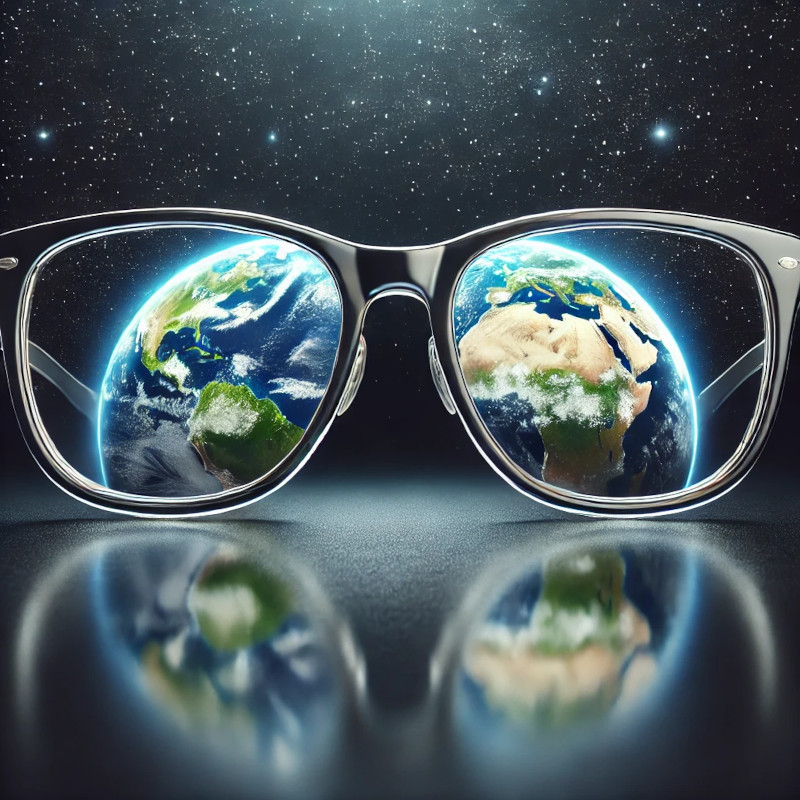
Global prevalence of myopia worldwide :
- It is estimated about 30% of the world's population was myopic in 2020, and this figure could reach 50% by 2050, or nearly 5 billion people.
Risk factors :
- Genetic factors : People whose parents are myopic are more at risk to develop myopia. However, the environment plays an equally crucial role.
- Environmental factors : The main cause of this increase is related to lifestyle, in particular the increase in time spent indoors, with reduced exposure to natural light and an intensification of near activities such as reading or the use of screens (computers, smartphones).
Associated Risks :
- Eye Health Issues : Uncorrected or severe myopia can lead to more serious complications, such as an increased risk of retinal detachment, glaucoma, cataracts, and even myopic macular degeneration, which can lead to blindness.
- Social and Academic Impacts : Myopia in children has short and long-term impacts on their visual, physical, emotional, and social health. It is important to monitor children’s vision closely and implement early management strategies to slow the progression of myopia to minimize risks in adulthood.
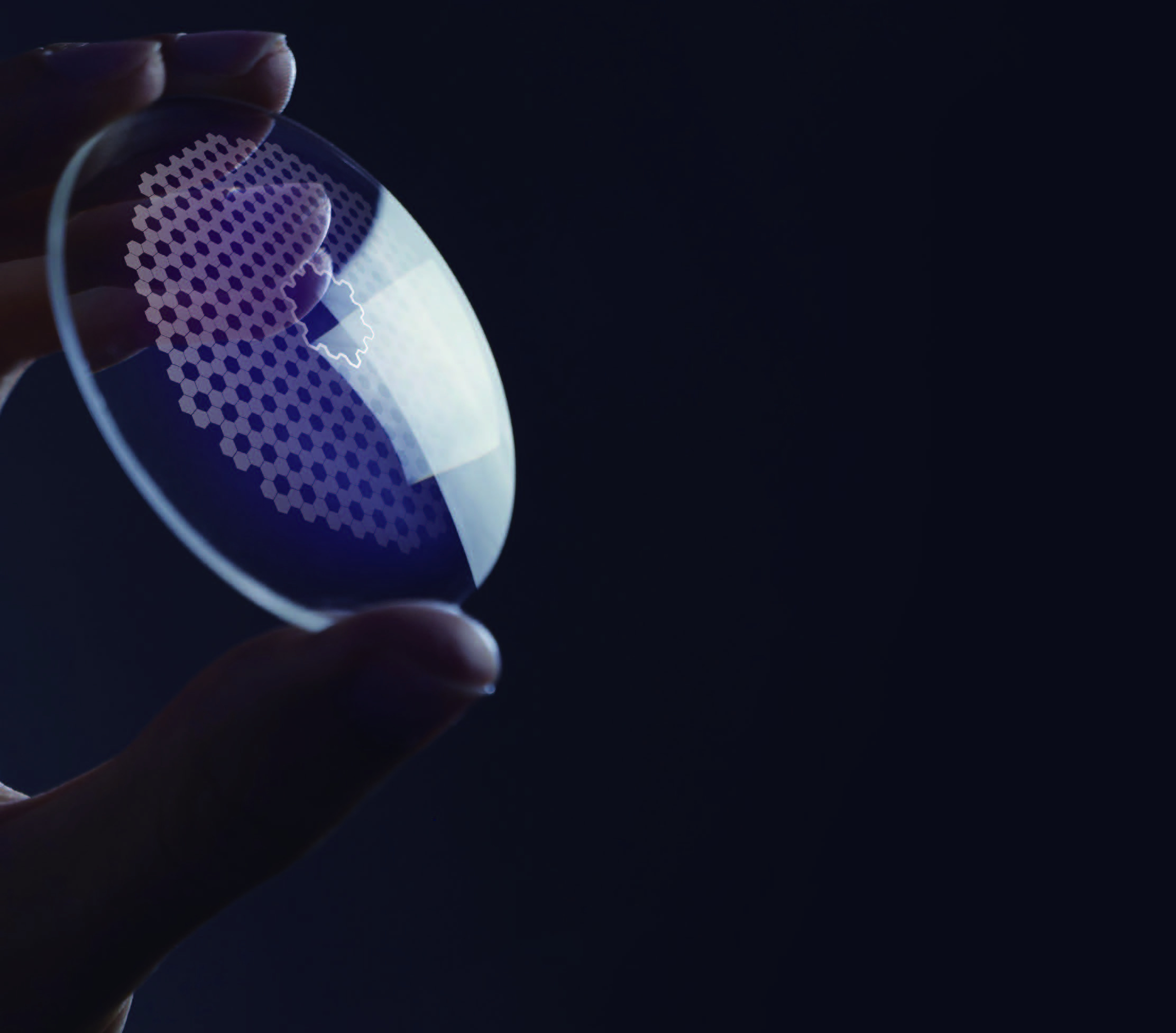
MOOFX II lens is our next-generation myopia control lens using H.O.R.I. technology to slow the myopia progression.
H.O.R.I. technology originates from a belief in the choices made by mother nature. Almost every beehive or snowflake presents a perfect hexagonal shape; hexagons offer dual advantages over circular shapes, seamless filling and higher efficiency.
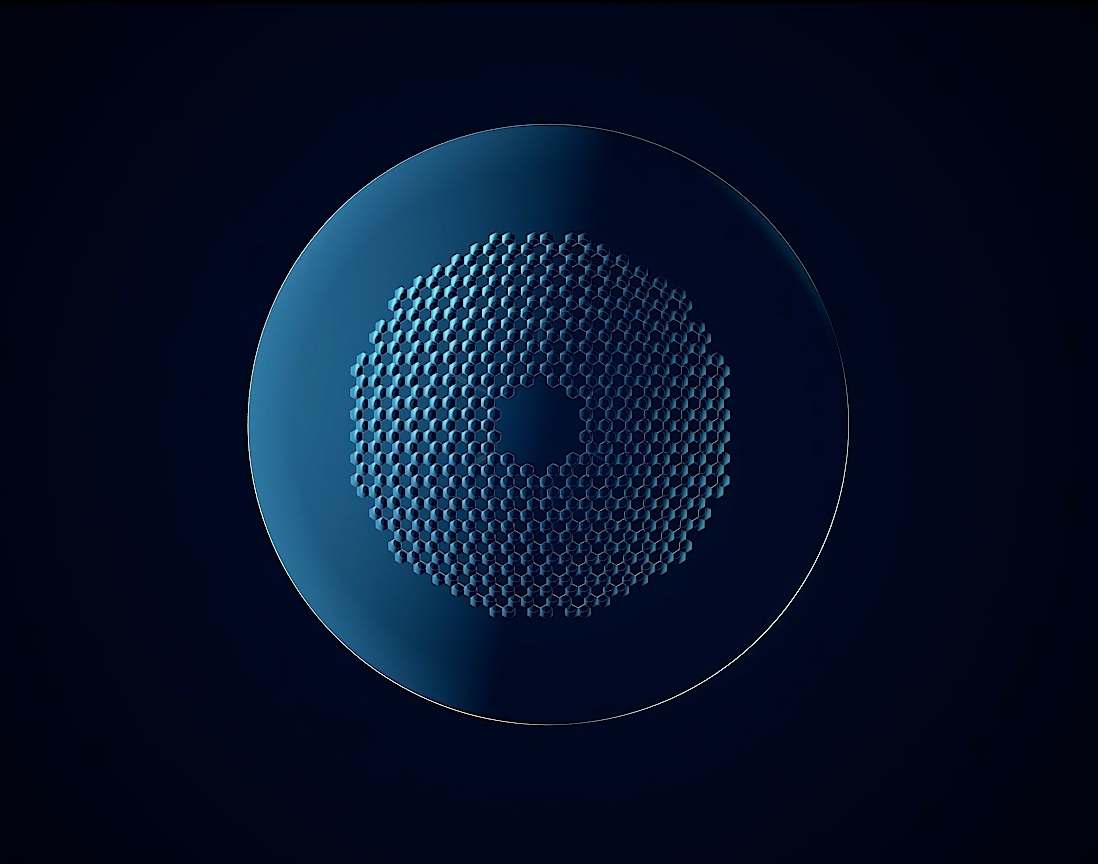
Our MOOFX II lens uses a spherical base surface, includes a central optical zone to correct the myopia of children, and a control zone made up of a non-coaxial microlens array around the central optical zone to slow the myopia progression.
540 hexagonal lenslets are embedded onto the lenses, forming an unprecedented tight and seamless integrated reticular array.
The central optical zone intended to correct the myopia of children is 8.4mm in diameter.
The central optical zone focuses images of distant objects onto the retina through the spherical base surface, while the microlenses focus these same images in front of the retina.
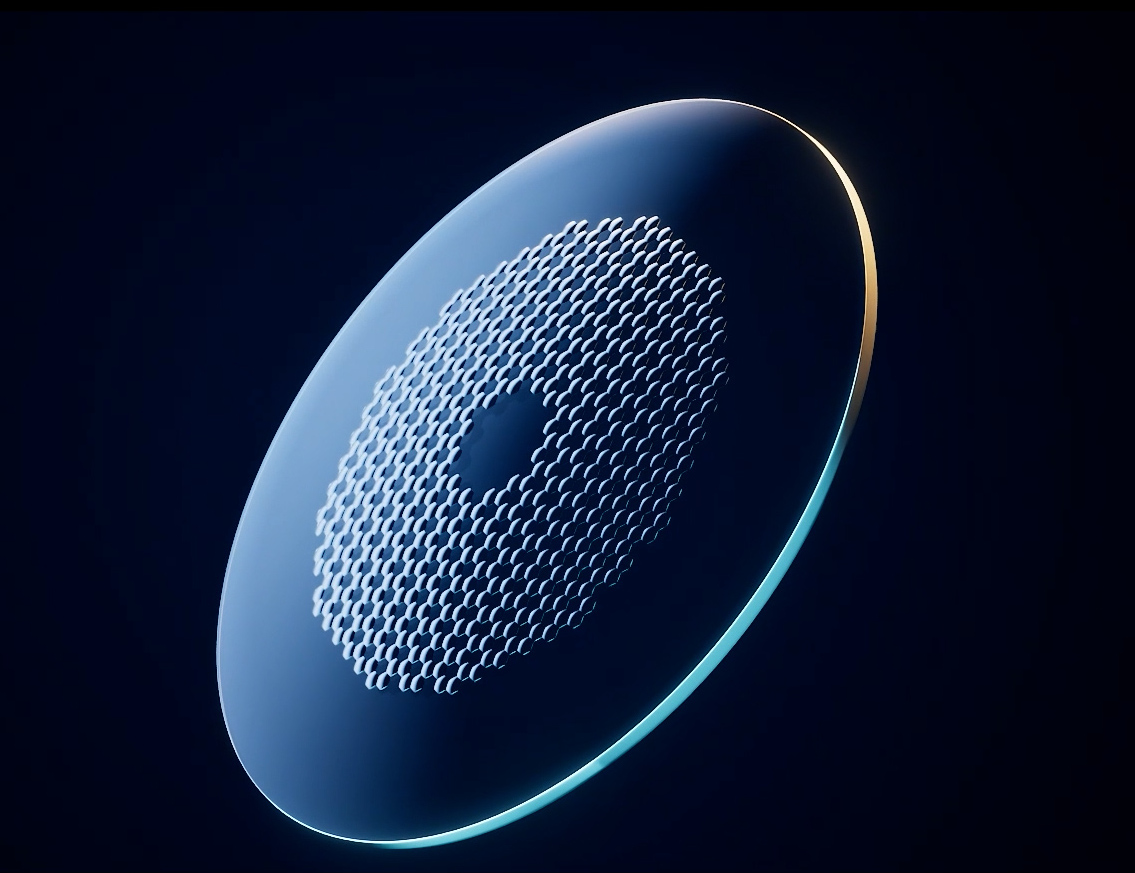
Creating stronger defocus signal stimulation in front of the retina. MOOFX II aims to better control axial elongation and effectively slow the myopia progression.
Unlike the circular shape, the hexagonal shape allows for a multiplication of the boundary lengths. This enables a high surface coverage rate without loss of space.
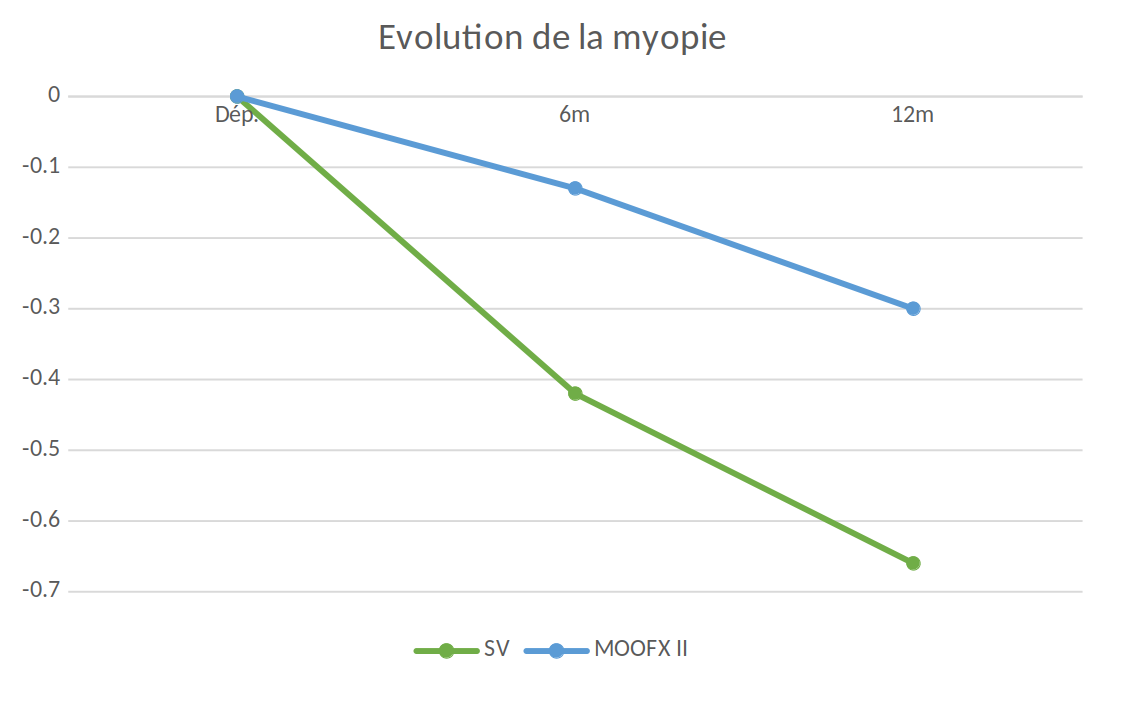
The myopia of the group of children equipped with Single Vision lenses increased by 0.66 diopters, while at the same time, this evolution was only 0.30 diopters for the group of children equipped with MOOFX II lenses.
With MOOFX II, the evolution of myopia is more than two times less (only 45.4%).
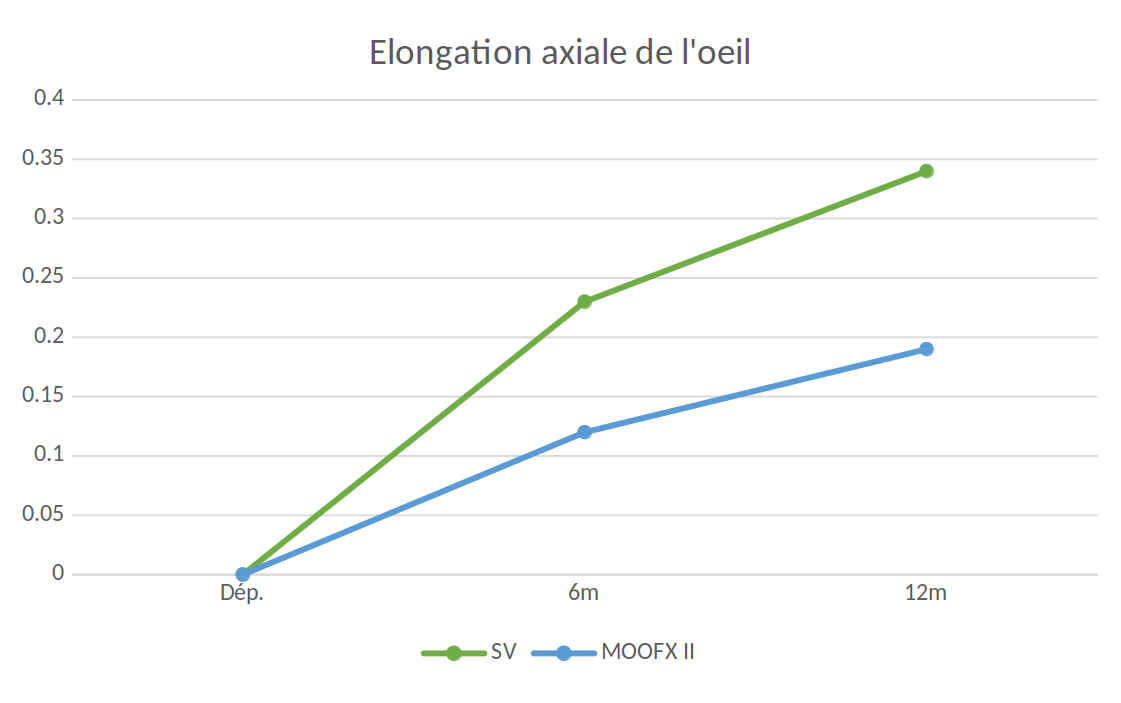
The axial elongation of the eye of the group of children equipped with Single Vision lenses is 0.34mm, while for the group of children equipped with MOOFX II lenses, it is only 0.19mm.
With MOOFX II, the axial elongation of the eye is reduced by 0.15mm (44.1%) compared to a Single Vision lens.
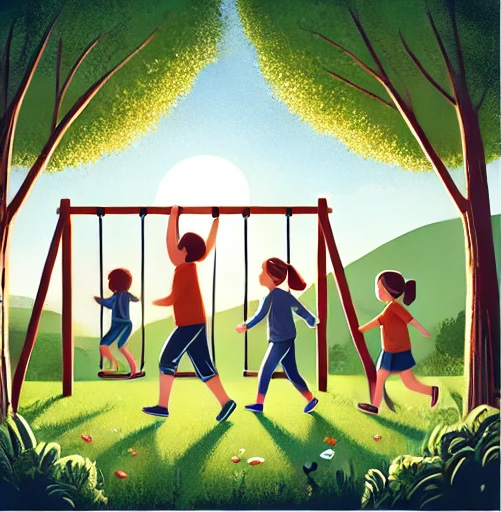
Encourage outdoor activities:
Exposure to natural light: Spending at least 2 hours a day outdoors is beneficial. Natural light helps reduce the risk of myopia, especially in growing children.
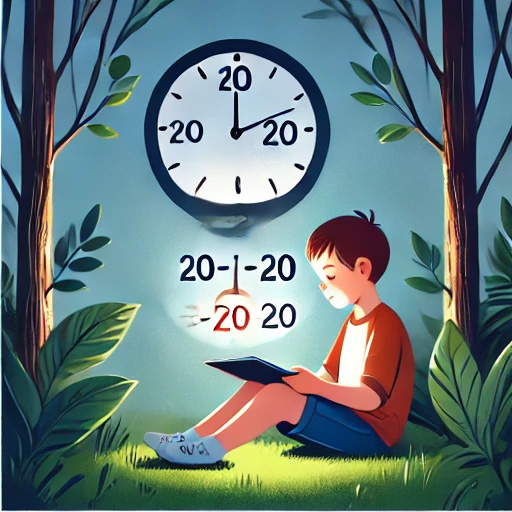
Limit screen time and up-close activities
Take regular breaks: Apply the 20-20-20 rule. Every 20 minutes, look at an object 20 feet (6 meters) away for at least 20 seconds. This reduces eye strain from prolonged up-close activities like reading or using screens.
Limit screens: Reduce screen time (tablets, smartphones, computers) and encourage frequent breaks.
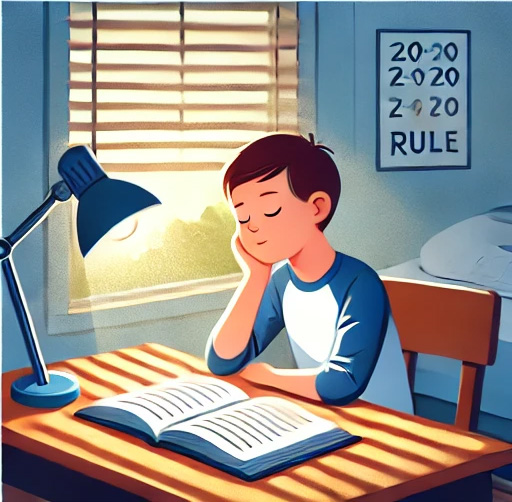
Promote good posture and adequate lighting
Reading distance: Maintain an appropriate distance when the child reads or uses devices, ideally 40 cm from the eyes.
Lighting: Ensure that the room where they read or work is well lit to avoid eye strain.
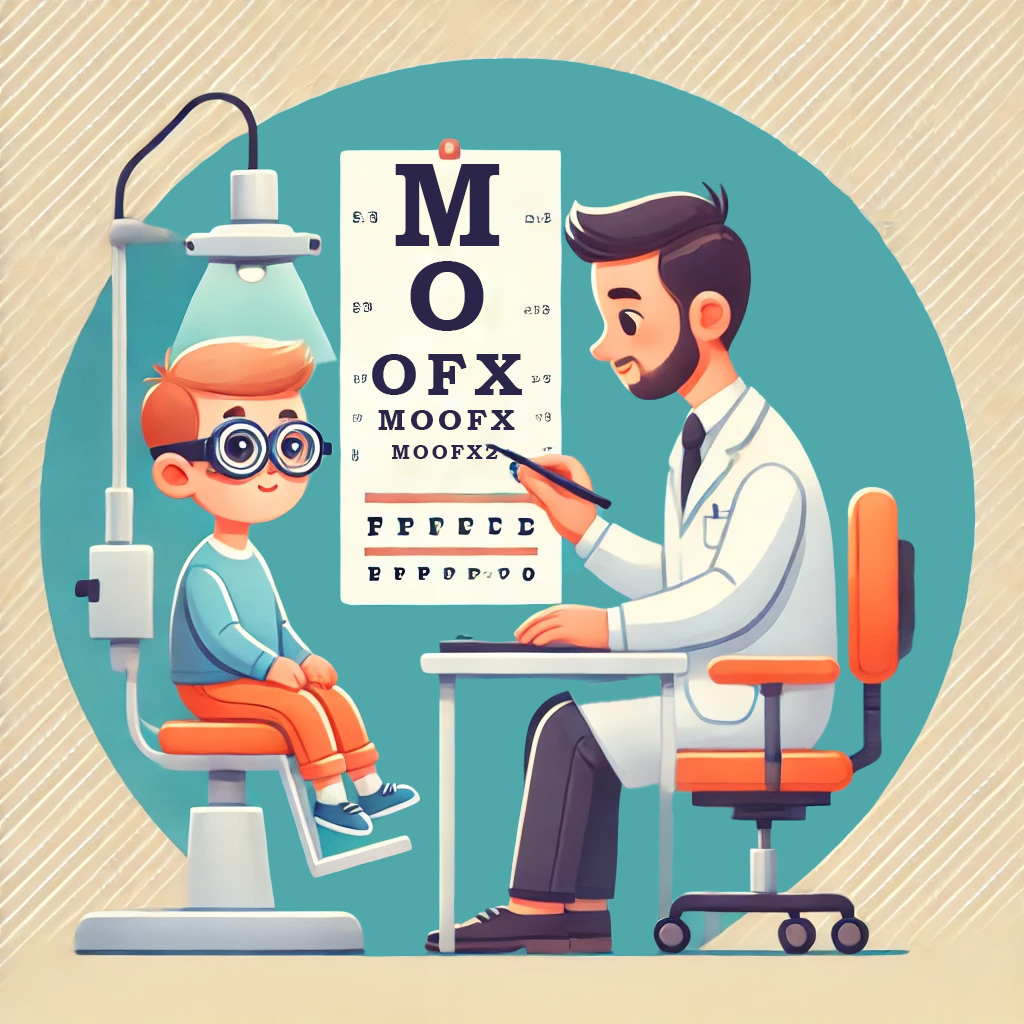
Regular eye checkups
Frequent visits: Have your child’s eyesight checked regularly by an ophthalmologist, especially if there is a family history of myopia. Early diagnosis helps manage the risk better.
By encouraging a balanced lifestyle, incorporating outdoor activities, and limiting prolonged near visual effort, the risk of developing myopia in children can be reduced.
For further information, please contact us: